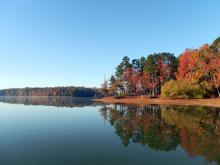
Kerr Lake State Recreation Area
Located in Vance and Warren counties at North Carolina's north-central border with Virginia, Kerr Lake State Recreation Area is a collective of eight access areas around the shoreline of this 50,000-acre reservoir.

Located in Vance and Warren counties at North Carolina's north-central border with Virginia, Kerr Lake State Recreation Area is a collective of eight access areas around the shoreline of this 50,000-acre reservoir.
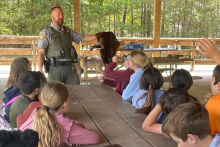
Rangers provide hands-on exploration for K-8th grades in animal adaptations, engineering stream tables, and constructing water flow designs. Located in Burke and McDowell counties 50 miles northeast of Asheville, Lake James State Park includes two areas to access this picturesque lake that is perfect for boating, swimming, and fishing.
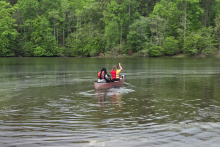
Students actively collect, investigate and identify different macroinvertebrates found in the lake shoreline and wetland ecosystem. Working closely with rangers, students determine pollution tolerance based on collected organisms. They can also determine pH levels, water temperature, calculate aquatic index value of the water to identify possible effects humans may have on the organisms.
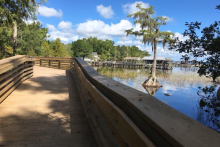
Learn about food chains, food webs, predator prey adaptations, and how to identify trees in ranger led programs. Lake Waccamaw State Park sits on the shores of the largest Carolina bay. There are 500,000 of these mysterious craters, and the lake is one of the few that contains open water instead of vegetation.
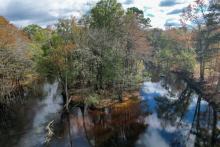
Schools can participate in multiple Ranger-led programs and hikes covering topics about trees, animals and birds, plants, macroinvertebrates/water ecology, and pollination! Lumber River State Park hosts an abundance of wildlife and plant life, including the belted kingfisher and the rare Carolina bogmint.
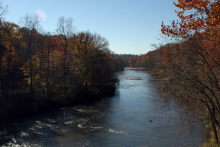
Schools can participate in multiple Ranger-led programs and hikes covering topics about the river, wildlife, skulls and pelt identification, and wildfire discussion! Small size classes can participate in fishing. Hikes are modified based on group demographic and physical activity abilities. Older groups can take a guided waterfall hike.
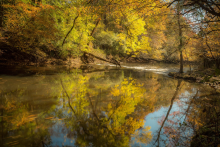
Medoc Mountain State Park stands on the 325-foot remnant of a once-mighty mountain range from 350 million years ago. Medoc Mountain is the granite belly that remains after hundreds of years of wind. Weather and crunching geologic processes eroded everything else away. Unique Ranger programs include geology, earth systems, and animals of the park.
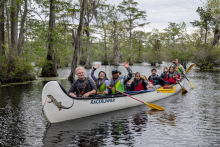
Located in Gates County 10 miles south of North Carolina's northeastern border with Virginia, Merchants Millpond State Park centers on a 760-acre millpond more than 190 years old. Hiking the surrounding trails or paddling the placid, shallow waters of the pond offer a great way to explore this wetland environment.
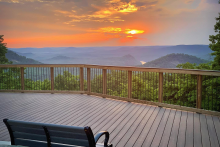
Did you know the Uwharrie Mountains are thought to be one of the country's oldest mountain chains? Explore geologic history, freshwater ecosystems, and animals of the park. Students can also learn about the history of Native Americans in the region, their artifacts and then fast-forward through time to the Great Depression when the CCC constructed the park.
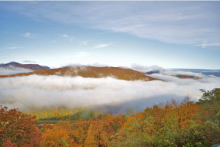
Mount Jefferson State Natural Area specializes in animal science programs, and schools can choose programs during regular school hours or in the evening. Over 700 plants call the park home, including the Dutchman's pipevine, which is visited by the beautiful swallowtail butterfly and its distinct black-and-orange-spiked caterpillar.
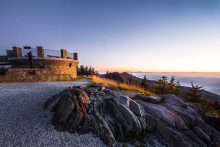
Mount Mitchell State Park was the genesis of North Carolina's state parks system. At 6,684 feet, the mountain is the highest point east of the Mississippi River, and an observation deck provides breathtaking mountain views on a clear day. Education programs span from animal adaptations, tree ecosystems, and the history of logging.
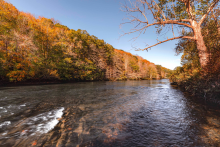
New River State Park covers seven accesses along this National Wild and Scenic River that flows north through three states. The hellbender — the largest salamander in the U.S. — and 14 species of rare and threatened plant species inhabit the New River valley. Park Rangers engage students in aquatic sampling of river water, fishing, and hiking.
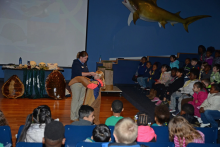
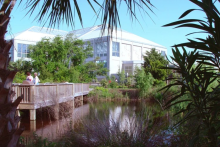
Students explore North Carolina’s ecosystems from mountains to sea at North Carolina Aquarium at Pine Knoll Shores. Engaging programs feature teacher-led tours, live animal presentations, interactive scavenger hunts, hands-on STEM activities, and outdoor field experiences. Learners connect with fascinating animals while building scientific curiosity, knowledge, and discovery skills.
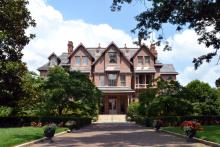
North Carolina’s Executive Mansion is the official residence of the Governor and the “people’s house.” Completed in 1891, this Victorian-style landmark offers students a look at state history, architecture, and civic life. Tours highlight its role as a historic home and meeting place for leaders. Schedule field trips through Capital Area Visitor Services.