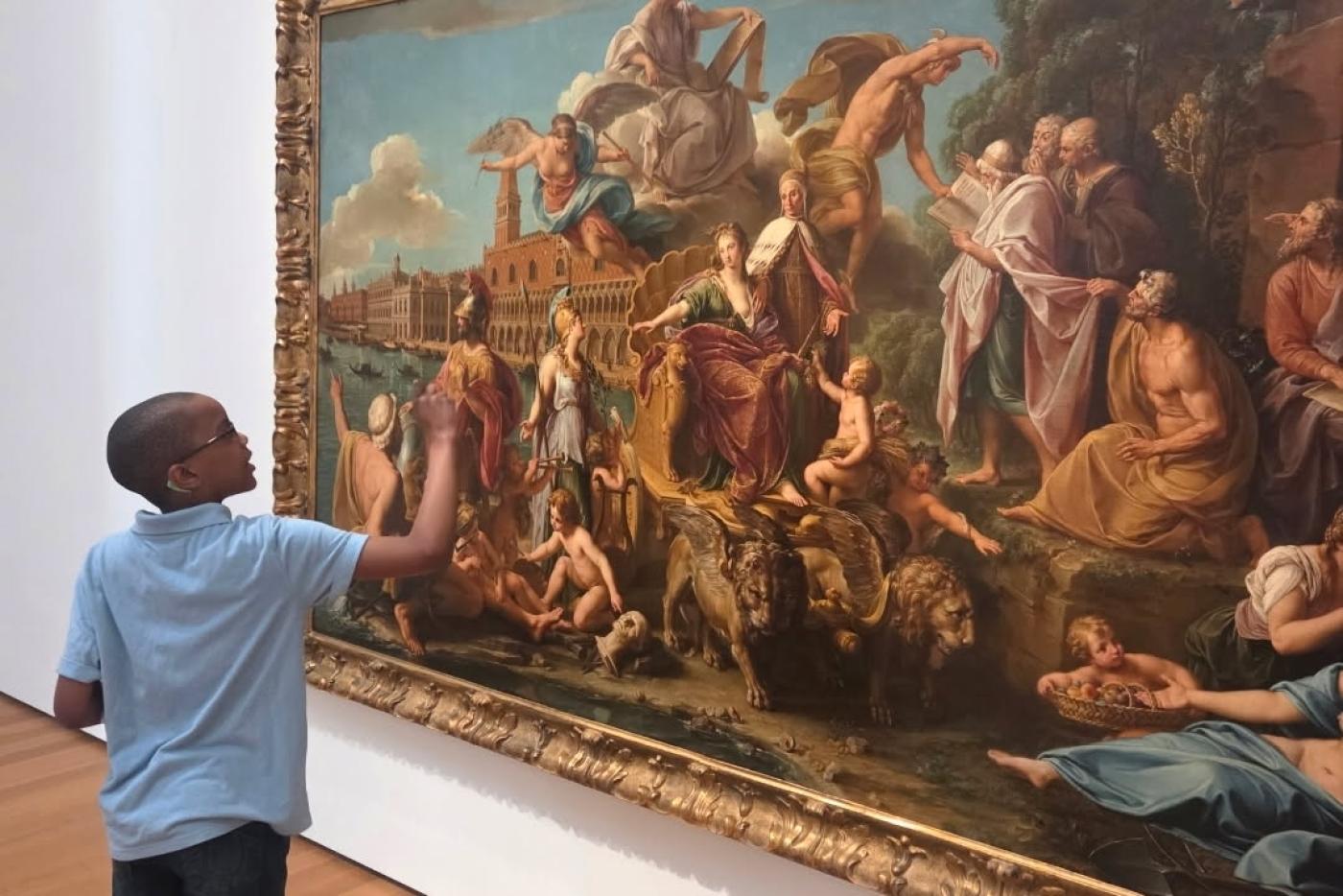
My connection to the North Carolina Museum of Art (NCMA) began when I was a college student and had the opportunity to serve as an intern. At the time, I could not have imagined how that experience would shape my professional journey as an artist and educator.
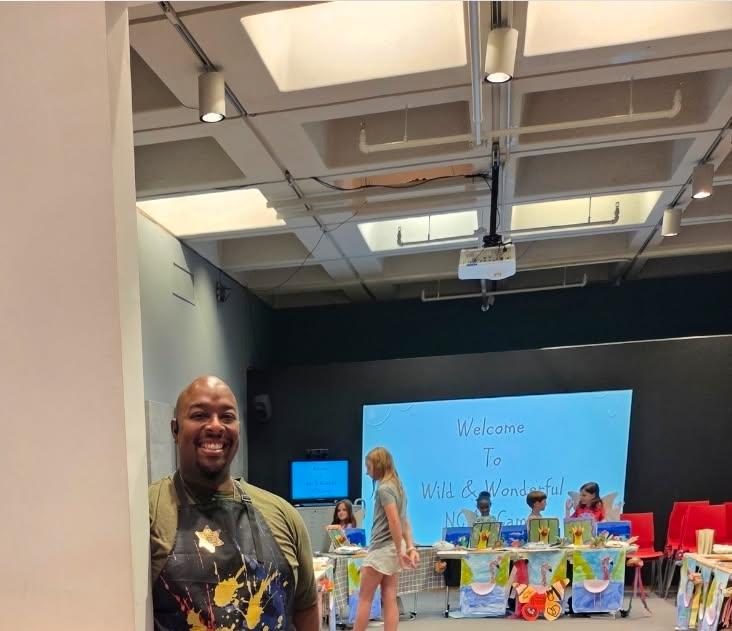
Over the years, I have continued to find ways to work with the NCMA through multiple programs and opportunities, including education programs, art camps, family programming, and professional learning experiences. Each experience has strengthened my belief that learning does not have to be confined to four walls.
As a teacher, I have brought that belief directly into my elementary art classroom. One simple way I use NCMA resources is by selecting artwork from the museum’s collection as a starting point for student conversations. Rather than simply asking students to identify what they see, I encourage them to ask questions, make observations, and connect the artwork to their own experiences. Students then use those ideas to create their own artwork inspired by the concepts, techniques, or stories they discovered. This is a technique other teachers can easily replicate by choosing one artwork, asking students what they notice and wonder, and then creating a hands-on response.
I have also used museum experiences to help students understand that artists can tell stories about their communities and the world around them. For example, when exploring photography and design, my students have studied how artists use perspective, composition, and positioning to communicate an idea. Students then apply those concepts to their own photographs, including creating illusion photographs that make everyday objects appear to float in their hands. What began as a museum inspired conversation about how artists communicate visually becomes an opportunity for students to experiment, problem solve, and think like artists themselves.
One of the most meaningful moments happens when students begin to recognize that museums and art are not just places or subjects that belong to someone else, they belong to them, too. I have seen students become more willing to share their ideas when they realize there is no single “right” way to respond to artwork. A student who may initially say, “I don't know what this means,” often begins to notice details, make connections, and confidently explain their own interpretation. Those moments remind me why access to authentic arts experiences matters for both students and teachers.
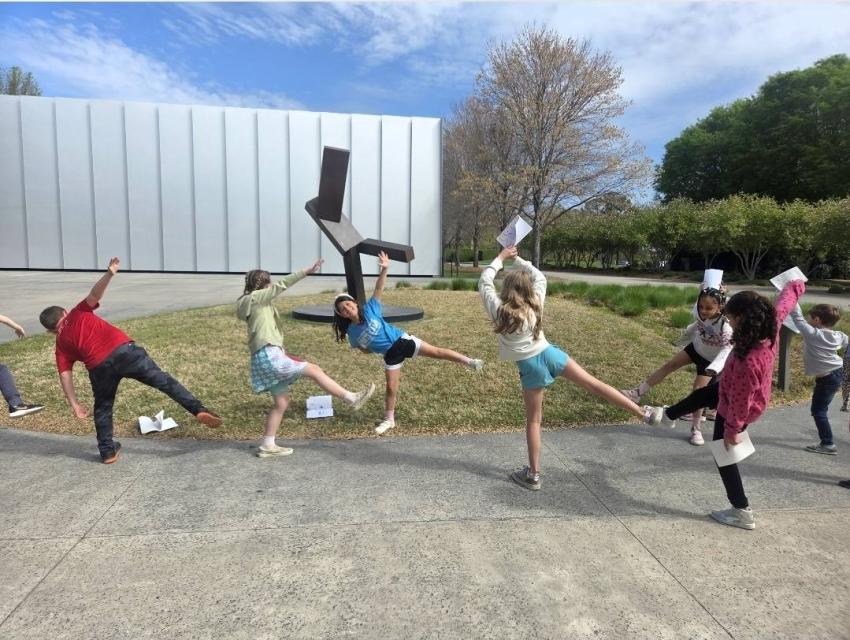
Today, as a North Carolina Department of Natural and Cultural Resources Teacher Ambassador, I see even more possibilities for connecting my students to the resources, stories, people, and places that make North Carolina unique. My experiences with NCMA have helped me understand how museums can become extensions of the classroom, where students can explore, ask questions, make connections, and see themselves reflected in the world around them.
As an art educator, I am constantly looking for meaningful ways to bring authentic experiences into my classroom. My connection with NCMA and DNCR has opened new avenues for collaboration, professional growth, and student learning. It allows me to take my experiences as an educator and museum professional and transform them into immersive opportunities for my students.
What began as a college internship has grown into a lasting connection that continues to influence how I teach, create, and inspire the next generation of learners. Most importantly, that connection has shown me that when students are given meaningful opportunities to engage with art, museums, and the stories of North Carolina, they do more than learn about art; they begin to see themselves as artists, thinkers, storytellers, and active participants in their communities.
About the Author: Quintin Neal is a seasoned art educator, artist, and designer with over 12 years of experience in the field of education. He is also an accomplished small business owner who integrates creative practice with entrepreneurial leadership. Quintin earned his Visual Arts undergraduate degree from North Carolina Central University and holds a master’s degree from the University of Phoenix in Curriculum and Instruction. He serves as a Family Studio Educator and Camp Instructor at the North Carolina Museum of Art (NCMA), where he designs and facilitates engaging arts-based learning experiences. Additionally, his work is represented as an artist vendor in the NCMA Store. Quintin is committed to cultivating creativity, advancing arts education, and inspiring diverse communities through innovative artistic expression.