On May 2nd, the NC Department of Natural and Cultural Resources hosted the North Carolina History Day State Contest at UNC Greensboro—a culmination of a year of research, creativity, and scholarship for students across the state. This year, 407 students presented 244 projects, representing 62 schools from 24 counties.
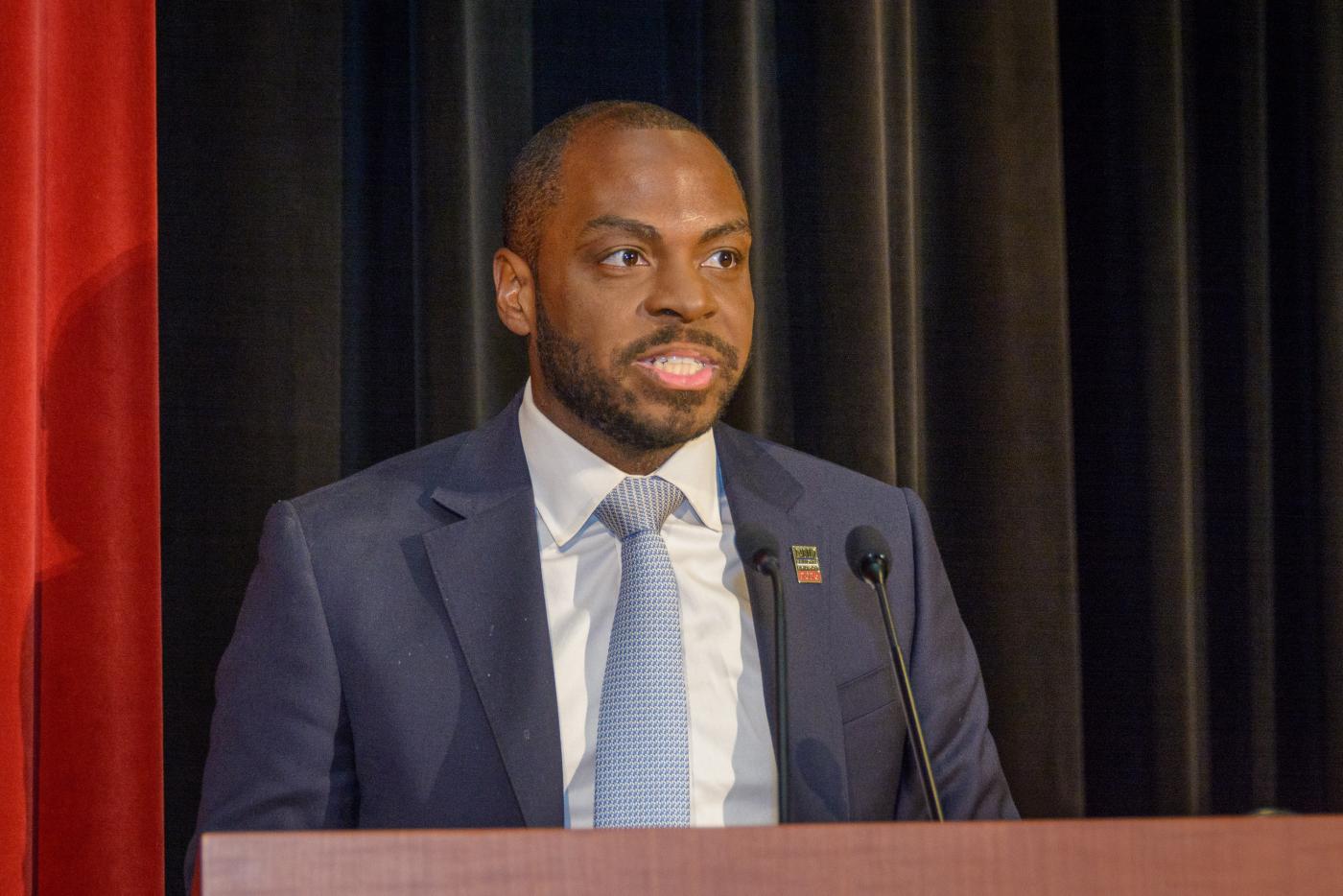
The day opened with a welcome ceremony that set the tone for celebration and inspiration. Our featured speaker, Timothy Hughes, delivered a powerful message rooted in personal experience, perseverance, and the lifelong impact of student historical research. His story deeply resonated with students, teachers, and families alike.
About Timothy Hughes
Timothy “Tim” Hughes currently serves as Associate General Counsel & Senior Vice President at Bank of America, where he oversees a wide-ranging portfolio of high-profile government investigations and class action matters. Prior to joining Bank of America, he practiced law at Winston & Strawn LLP, specializing in financial services litigation, consumer class actions, and complex commercial disputes.
His exceptional work as a legal practitioner has earned national recognition, including placement on Best Lawyers in America’s “Ones to Watch” list, the Charlotte Business Journal’s “40 Under 40”, and the National Black Lawyers “40 Under 40”.
In addition to his legal practice, Tim teaches as an Adjunct Professor of Law at North Carolina Central University School of Law and holds numerous community leadership roles.
Tim is originally from Asheville, North Carolina and participated in National History Day® as a middle school and high school student. In high school, Tim placed 2nd in the North Carolina state competition and attended national competition his sophomore year of high school. He also placed 1st in the state and 11th in the country his junior year of high school.
Tim earned his B.A. in History from the University of North Carolina at Chapel Hill, graduating with highest distinction and membership in Phi Beta Kappa. He went on to attend Duke University School of Law on a merit scholarship. Today, he resides in Charlotte, North Carolina and remains a dedicated advocate for National History Day and its mission. He serves on the Board of Trustees for National History Day and is a frequent judge at both the state and national levels.
Welcome Ceremony Remarks by Timothy Hughes
Delivered May 2, 2026 – North Carolina History Day State Contest, UNC Greensboro
(Transcript presented exactly as delivered with accompanying photos submitted by Tim Hughes.)
Good morning. It is truly a pleasure to be here today to celebrate each of you. I know from personal experience the hard work, dedication, and countless hours it takes to reach this stage. I am also keenly aware that none of us get here alone. Along the way, you have been supported by parents, family members, teachers, mentors, and peers. It truly takes a village. You should all be incredibly proud of what you have accomplished —please give yourselves a well-deserved round of applause.
Like all of you, I participated in National History Day, and I once sat in these very seats at the North Carolina state competition. I first became involved in seventh grade at A.C. Reynolds Middle School in Asheville, North Carolina, and I continued throughout my time at A.C. Reynolds High School. I was initially drawn to National History Day because of my love for history and my eagerness to explore my curiosity in a competitive and meaningful way.
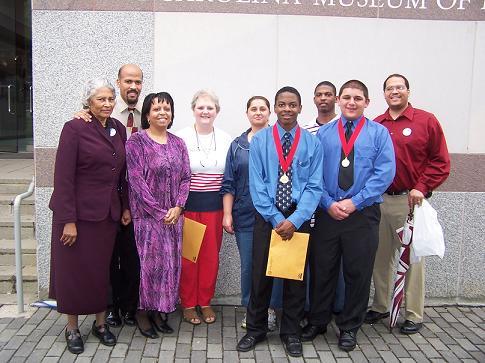
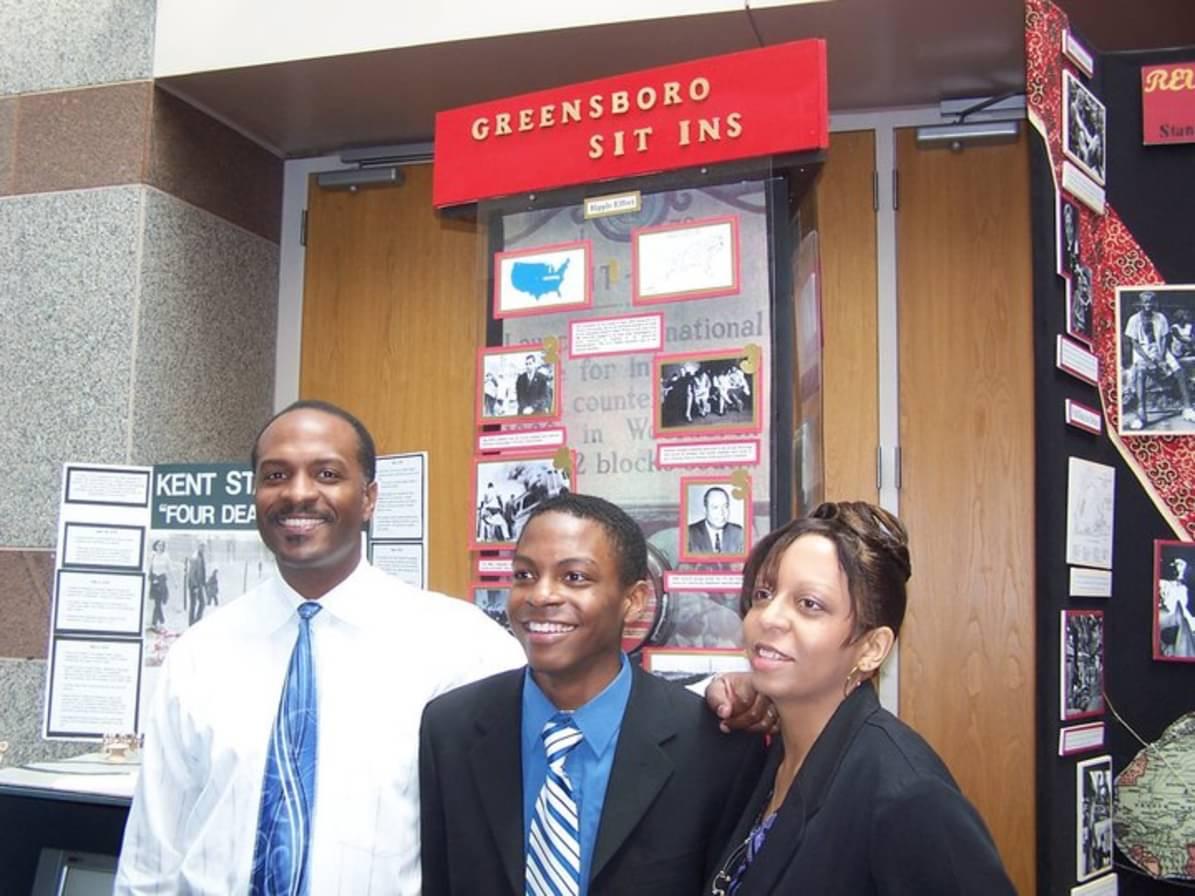
In high school, I was fortunate to advance to the national competition during my sophomore and junior years. The theme my sophomore year was “Communication in History,” and my teammates and I prepared a group exhibit on the Underground Railroad. We placed second at the state level and earned the opportunity to compete at nationals. My junior year, the theme was “Taking a Stand in History,” and our group exhibit focused on the Greensboro Sit-Ins. That year, we placed first at the state competition and eleventh in the nation.
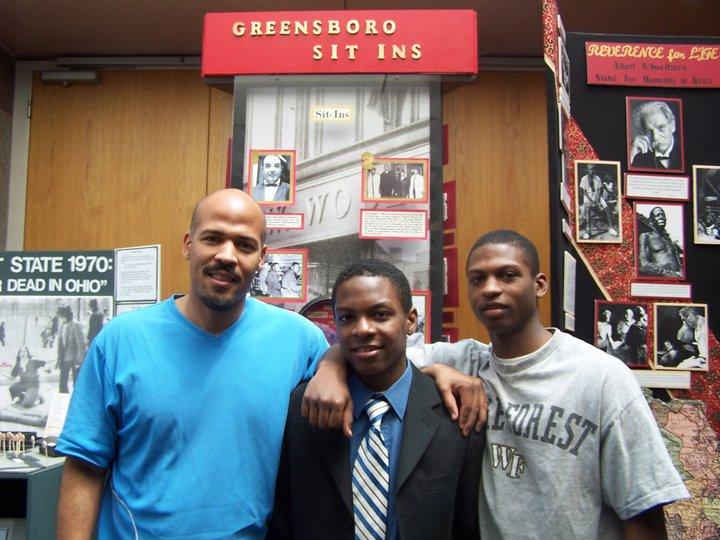
However, you may have noticed that my introductory biography did not mention my senior year.
After placing eleventh nationally my junior year, I was determined to return to the national competition as a senior, with the ultimate goal of finishing in the top three in the country. The theme that year was “Triumph and Tragedy.” I spent the entire summer before my senior year strategizing and searching for what I believed would be the perfect topic. Because my work consistently focused on African American history, I knew I wanted to remain in that space. My group ultimately decided to prepare a group exhibit on Dr. Charles Drew.
As many of you may know, Dr. Drew was an African American surgeon who pioneered innovations in blood transfusion and blood preservation on the eve of World War II. He led the “Blood for Britain” project in 1940 and became the first medical director of the American Red Cross Blood Plasma Program in 1941. His work saved thousands of lives during the war and fundamentally changed how blood was stored and transported. Tragically, Dr. Drew died at the age of 45 in a car accident here in North Carolina, in Alamance County.
During my senior year, I dedicated countless hours preparing our project and became deeply immersed—perhaps even obsessed—with the process. My commitment to the research led my parents and me to drive 471 miles from Asheville, North Carolina, to Washington, D.C., so I could conduct primary research. My parents graciously allowed me to take an entire week off from school so we could visit Howard University, where the Moorland-Spingarn Research Center houses Dr. Drew’s primary documents.
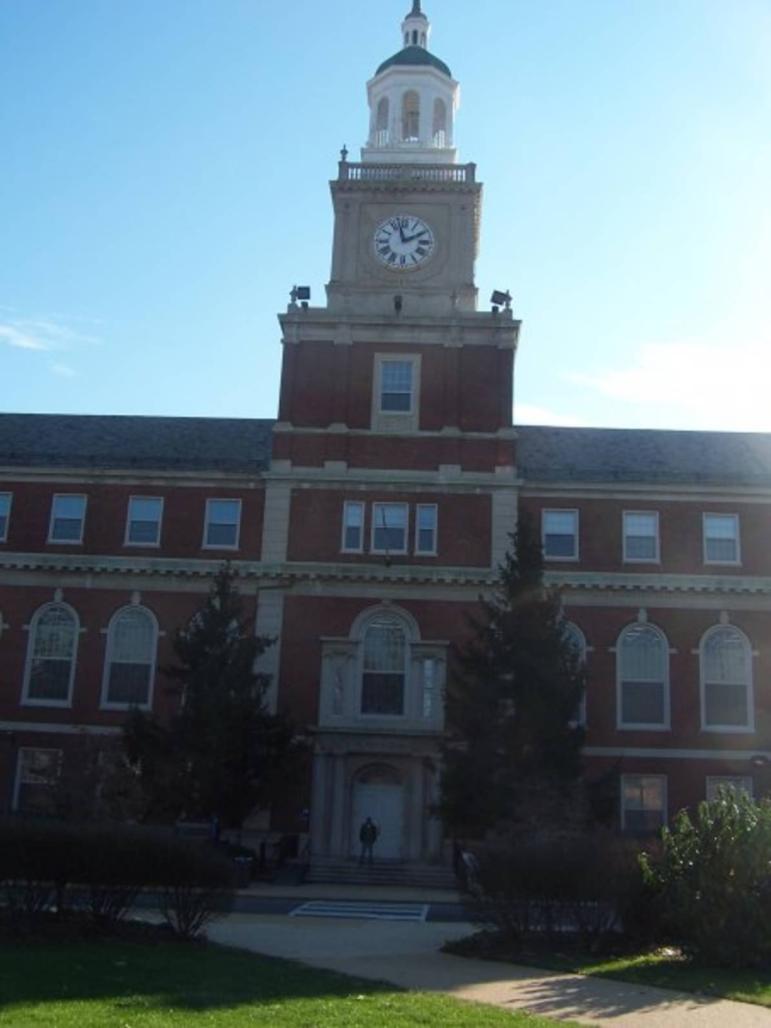
I vividly remember walking down to the basement where the archives were stored and spending full days immersed in primary sources—reading Dr. Drew’s letters, his publications on blood banking, and newspaper articles documenting his life and legacy. The Center required researchers to wear gloves when handling documents, and I recall taking frequent breaks just to air out my hands because I spent so many hours reviewing the materials. Through those primary sources, I was able to answer complex historical questions and explore my intellectual curiosity in a profoundly personal way. It felt as though I was building a relationship with Dr. Drew through his own words.
I returned to Asheville ready to apply what I had learned to our exhibit. At the regional competition, our Dr. Drew project placed first, advancing us to the state competition. As the state competition began, I remember examining our exhibit and feeling immensely proud of the work we had produced. I arrived at the awards ceremony nervous but confident, knowing the depth of effort that had gone into our project.
However, when the winners were announced, our names were never called. We ultimately placed third at the state level, and only the top two entries advanced to nationals.
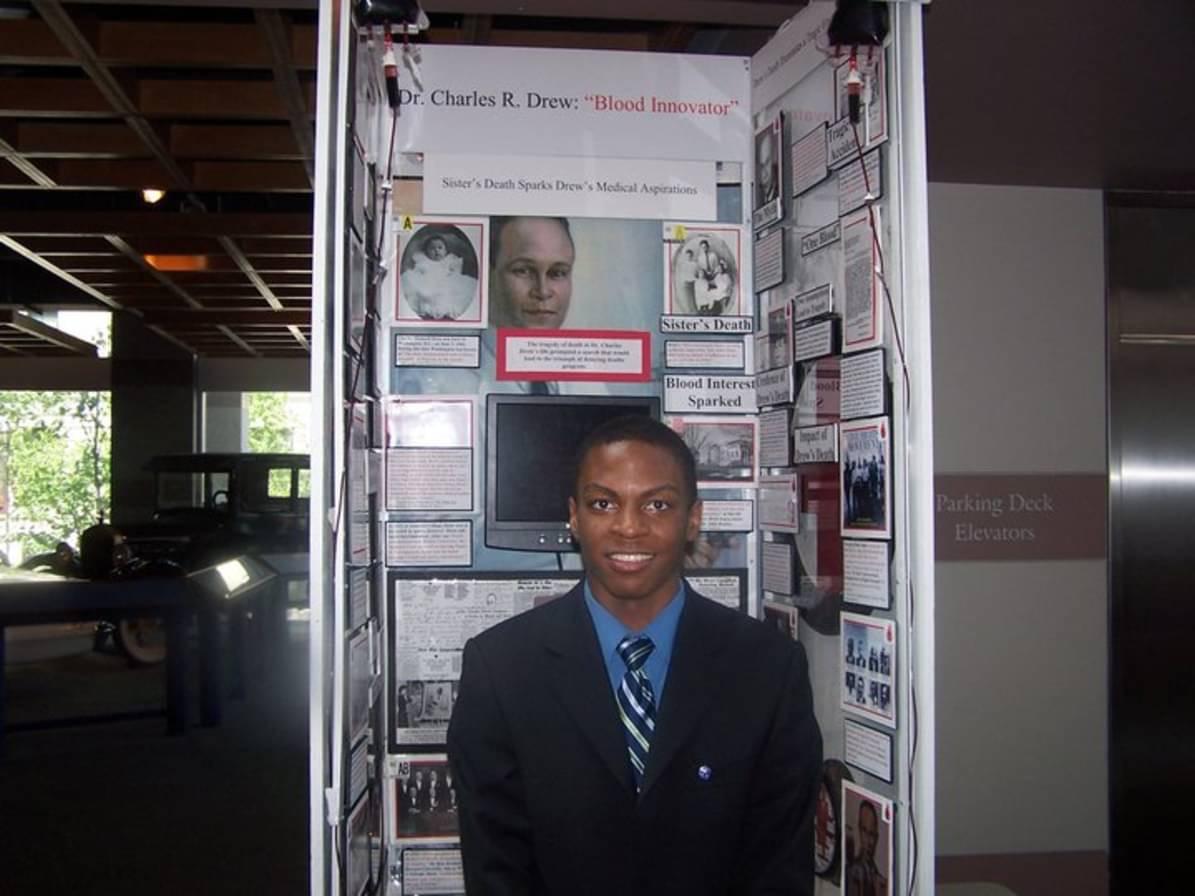
I was devastated. The disappointment of not advancing was overwhelming—made even more difficult by the fact that I was a senior and would never have another opportunity to compete. I will never forget the drive home from the state competition, sitting in the passenger seat of my Dad’s car as I cried. During that ride, my Dad made me a promise that I have never forgotten. He assured me that one day I would realize that the work ethic and skills I had developed through National History Day would benefit me for the rest of my life.
At the time, I could not see it—but he was right.
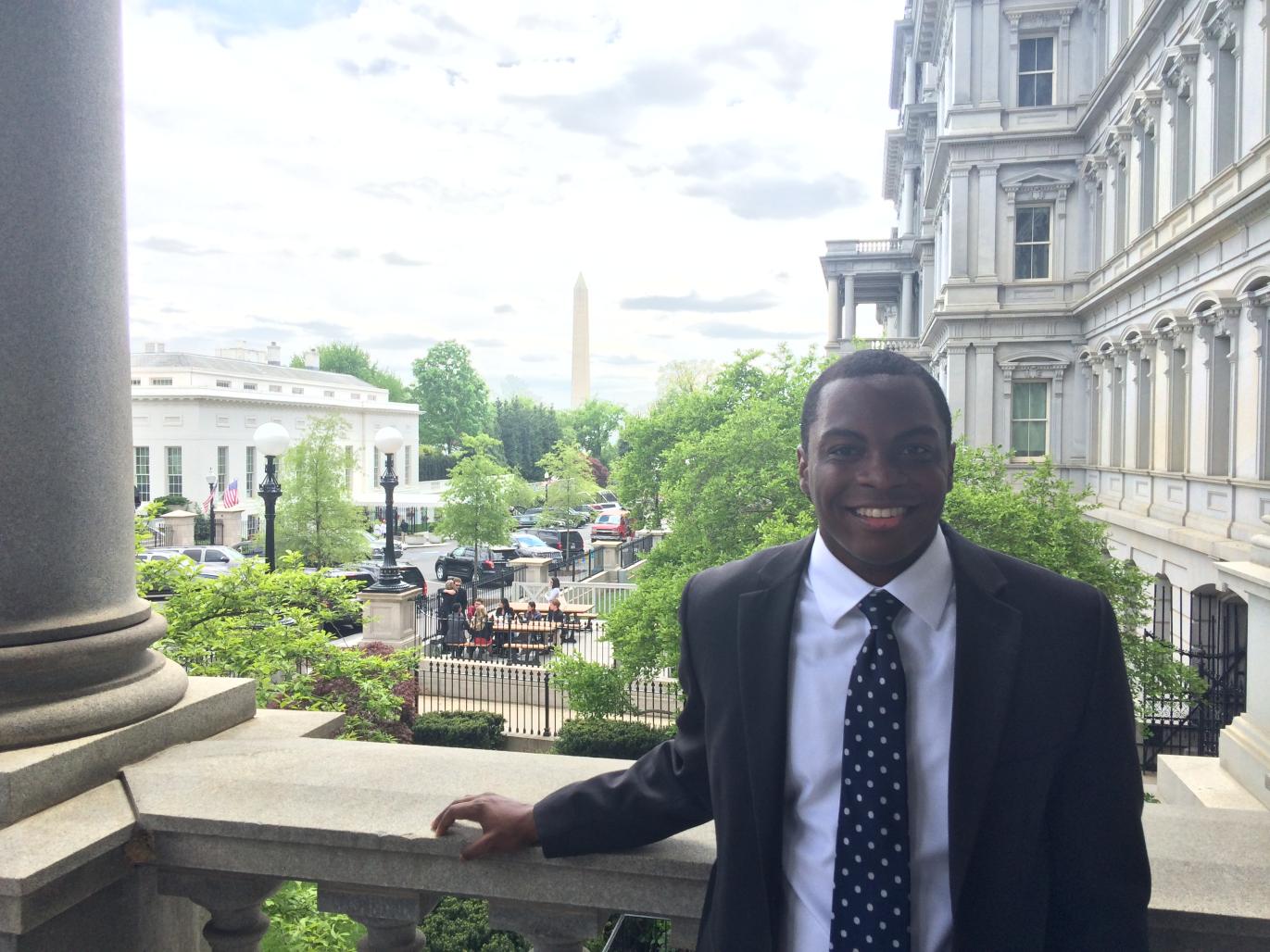
Seven years later, I found myself in a much different setting than in the passenger seat of my Dad’s car. I was exiting the Farragut West metro station stop in Washington, D.C., and headed to work. In front of my office building was a security room. I passed through the security gate, greeted the familiar guards, placed my bag on the conveyor belt, and walked forward. After grabbing my belongings from the conveyor belt, I looked up at my office building and smiled. The office building was the White House. I was working in the White House—serving in the Office of Cabinet Affairs, which functions as the primary liaison between the President of the United States and the President’s Cabinet.
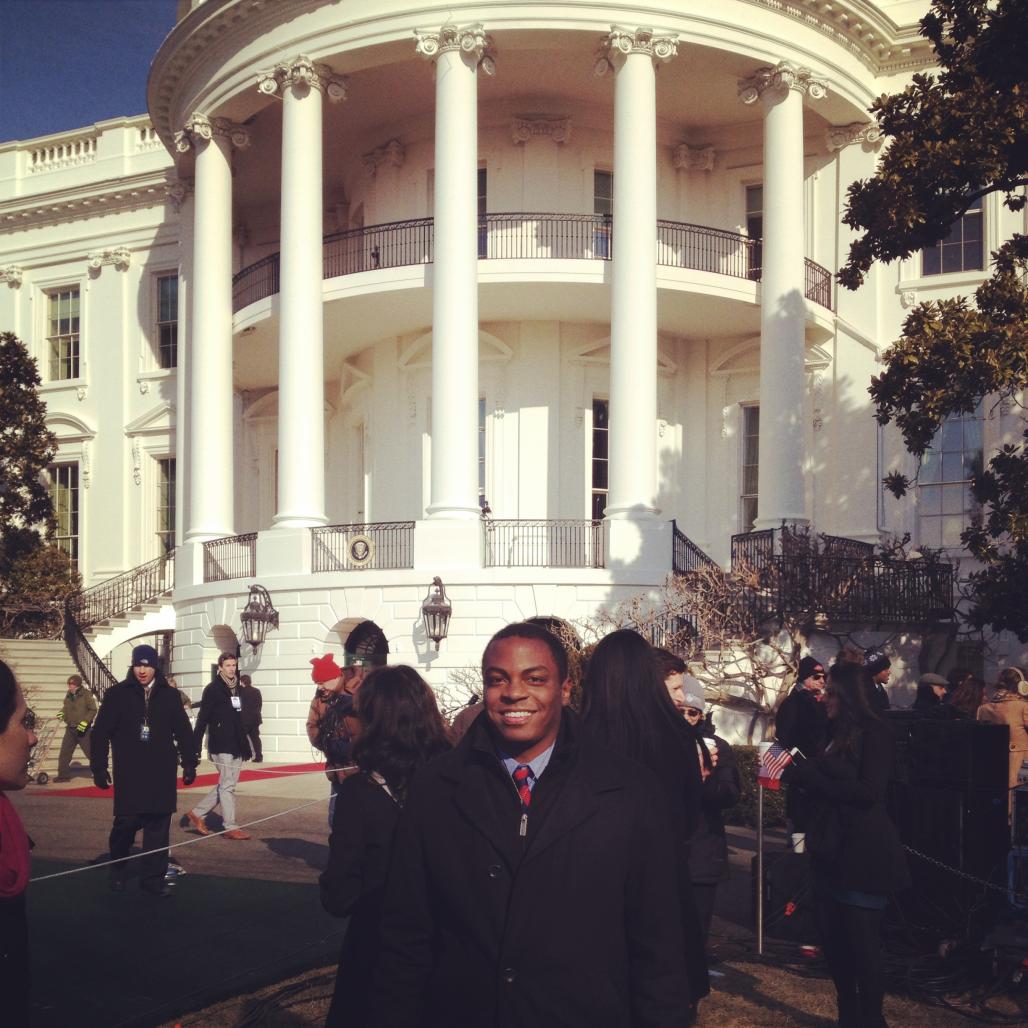
In that role, I had the privilege of working on several presidential initiatives. One initiative in particular culminated in the President signing a Presidential Memorandum during a ceremony in the East Room of the White House. Throughout the process of working on the initiative, I found myself relying on many of the same skills I had developed through National History Day. I conducted extensive research, reviewed and analyzed highly sensitive and executive-privileged documents, and prepared a detailed paper and presentation outlining my findings and sources—remarkably similar to the National History Day research process, process paper, bibliography, and preparing a project board. I also had to present my conclusions and evidence both in writing and orally and answer questions from senior leaders at the White House, much like answering critical questions from judges during competition.
Each day, I experienced a sense of déjà vu. Once again, I felt as if I was preparing for National History Day—just in a different arena and on a different stage. When the initiative concluded, I was invited to attend the event in the East Room of the White House, where I sat as the President delivered remarks and signed the memorandum.
As I sat there, I felt tears well in my eyes. I thought about what my Dad had told me years earlier in the car after the state competition. In that moment, I knew he was right. The skills and experiences I gained through National History Day prepared me to contribute meaningfully at one of the most significant stages in the world—and, more importantly, to help impact the lives of millions of people, both in North Carolina and across the country.
My life experiences are the reason I believe so deeply in National History Day and why I am here today. They are why I serve as a judge, why I joined the Board of Trustees for National History Day, why I remain a lifelong advocate, and why it brings me such joy to stand before you this morning. As I look at you today, I can feel your excitement and passion – it is palpable. I also can see how National History Day has already shaped your lives—and how you, in turn, have strengthened National History Day.
I may not know each of your individual dreams, and I wish I had time to learn them all. But I can say with absolute confidence that the skills and experiences you gain through National History Day will support you as you pursue your dreams. I wish each of you the very best. Enjoy this day and carry this experience with you far beyond this moment.
Thank you.