When I first started teaching, I wanted to create an environment that was lively, collaborative, and engaging. I was determined to show my students that history was more than old textbooks and dusty documents stored away in boxes. I wanted them to understand that history is alive, and we are all shaped by the people, choices, conflicts, and consequences that continue to influence the world they live in today. My goal was to spark curiosity and invite students into the past rather than asking them to passively observe it.
To support this vision, I sought out professional development and embraced project-based learning and AVID strategies, shifting my classroom from rote memorization to inquiry, collaboration, and critical thinking. With my shift in teaching, students learned to ask meaningful questions and take ownership of their learning. Still, something was missing: history didn’t always feel personal or transformative. I wanted students to see themselves as active contributors to history, not distant observers.
I wanted them to understand that history is alive and we are all shaped by the people, choices, conflicts, and consequences that continue to influence the world they live in today.
That missing piece came through my work with DNCR as an A250 Teacher Fellow and DocsBox Advisor. These experiences gave me tools, primary sources, and the encouragement to rethink history education. DNCR opened doors to authentic learning beyond classroom walls, connecting students directly with history, culture, and the humanities.
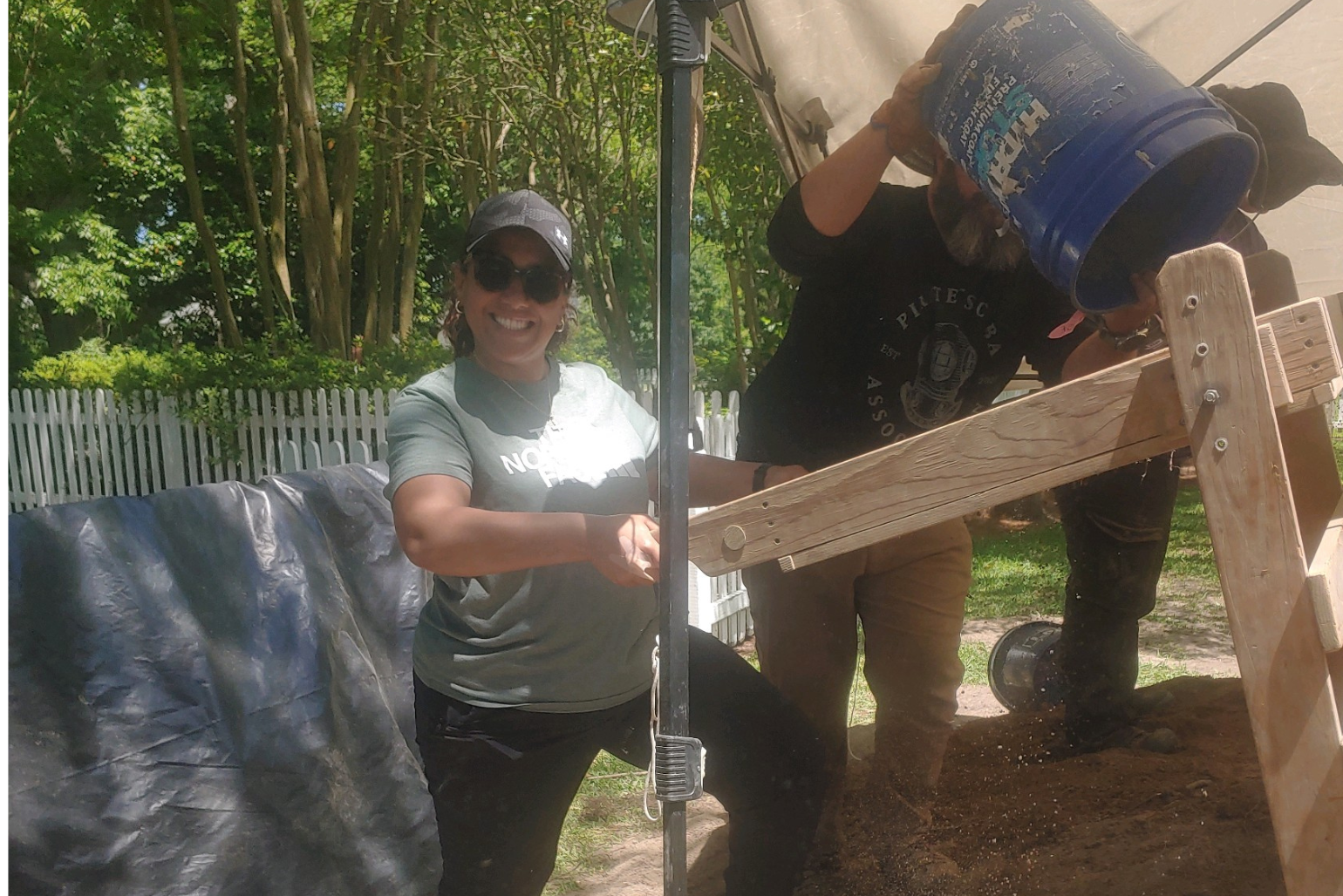
My students now engage with history as historians do, researching, analyzing evidence, and presenting their findings creatively. Through living history museums, North Carolina History Day projects, and historical simulations, they grapple with competing perspectives and consequences. They uncover artifacts in our school garden, organize archival records, and construct narratives from primary sources, learning that history is not fixed but interpreted and continuously reshaped.
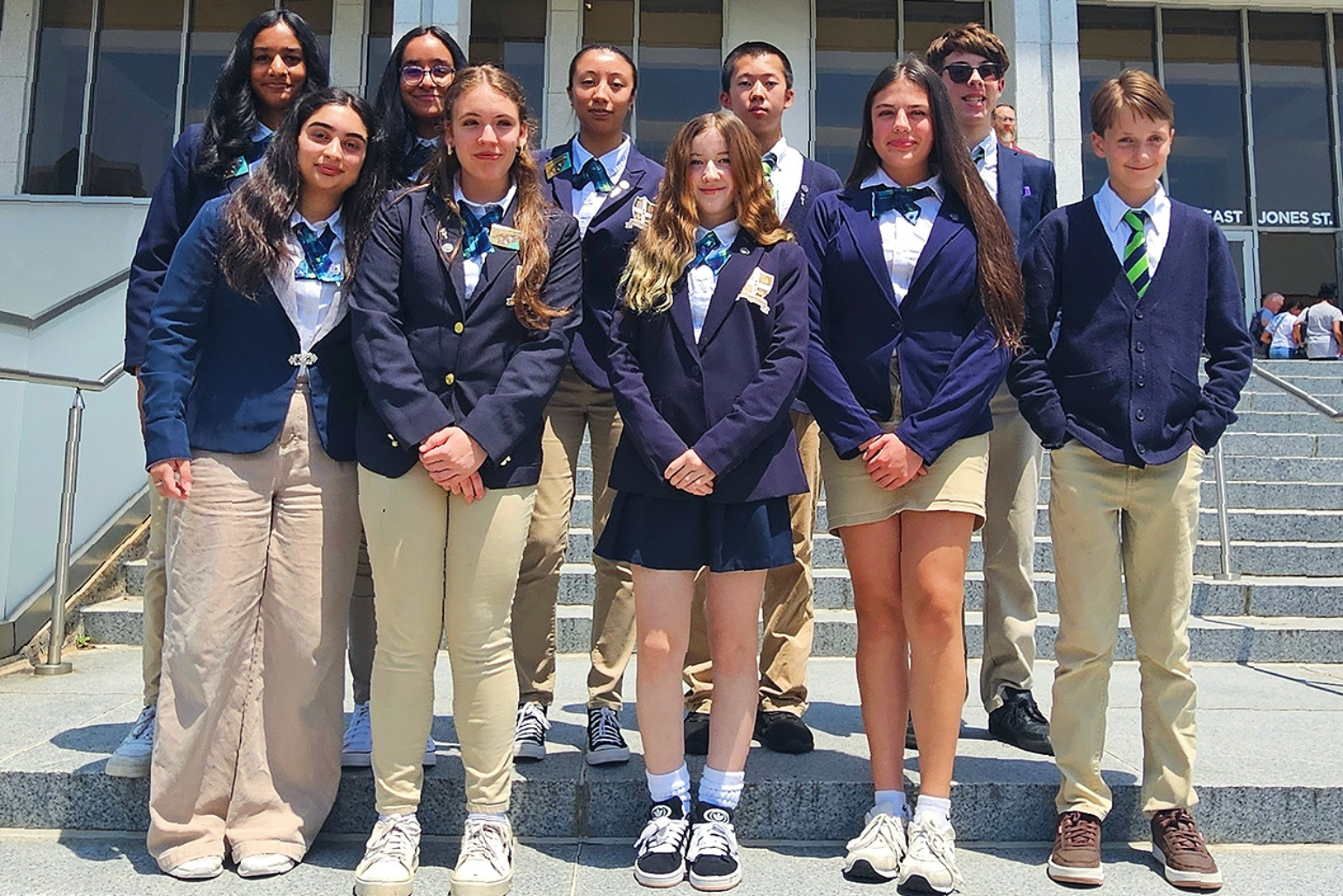
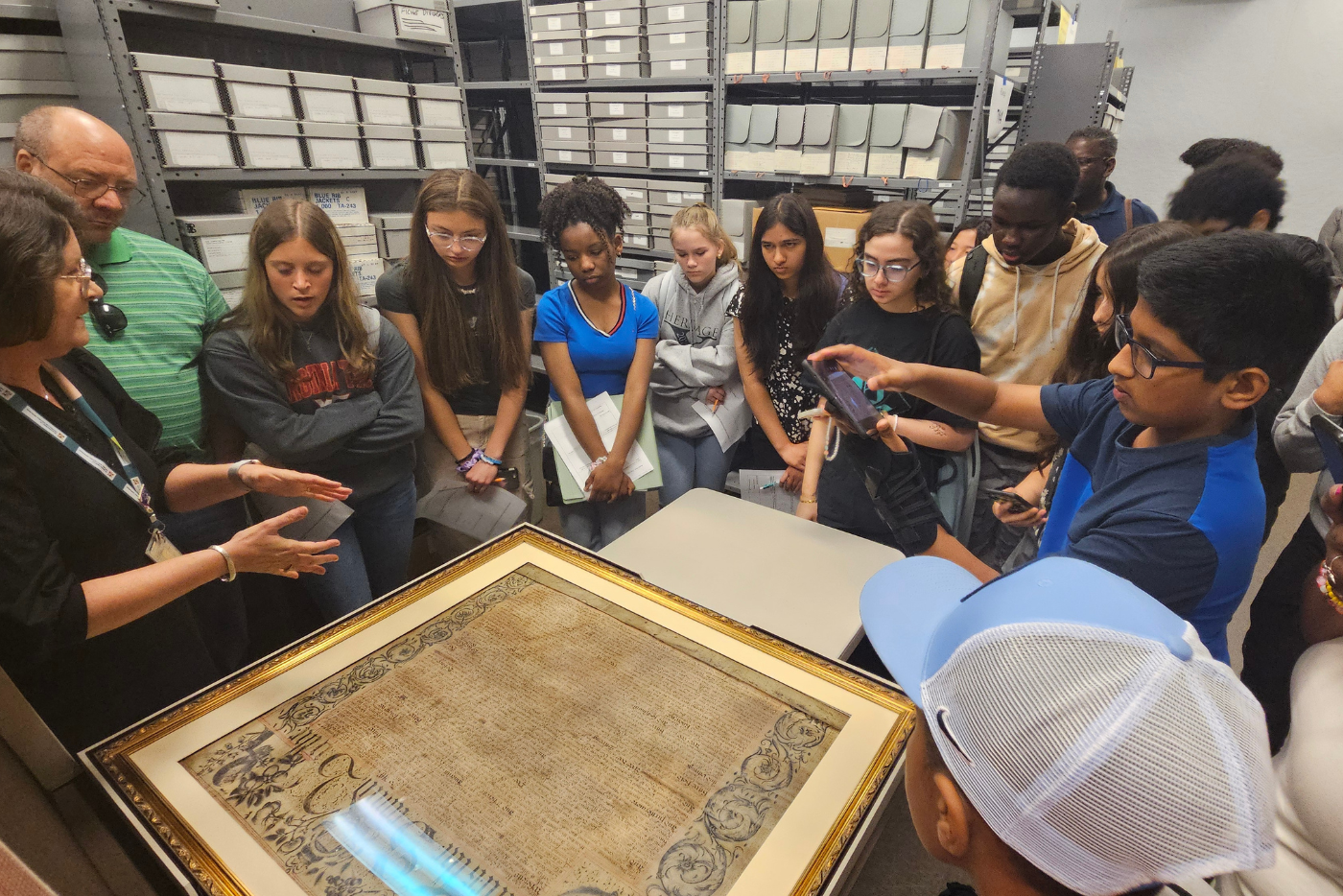
Beyond the classroom, DNCR-supported opportunities deepen this work. Students have attended events like a screening and discussion with Ken Burns, connecting documentary storytelling to their own NC History Day film creations. They’ve experienced Black Opera, when DNCR and NC Opera provided free tickets and allowed them to explore intersections of history, culture, and identity, which informed their performances. Visits to the State Archives and Raleigh museums allow them to handle artifacts and engage with exhibitions, linking local history to national narratives as they curate their own exhibits for North Carolina History Day.
These experiences - standing in museums, listening to historians and artists, and engaging with cultural institutions - are as impactful as any classroom lesson. They validate learning and reveal that history exists beyond textbooks. Students return asking sharper questions, making deeper connections, and approaching work with renewed purpose. As a result, my classroom fosters curiosity, investment, and confidence in interpreting the past. More than enhancing academics, these moments help students see themselves as historians, storytellers, and informed citizens within ongoing historical narratives.
DNCR’s sites and free resources have made these transformative experiences possible, helping me connect students directly to the people, places, and stories that bring North Carolina’s history to life, where history is experienced. Through access to DNCR, my students and I have engaged with history in ways that are rigorous, meaningful, and deeply human and I encourage every educator to take advantage of the resources and professional learning opportunities DNCR offers.